|
|
Broken Finger
BROKEN FINGERAny break or crack in the bone of the finger is called a fracture. The bones of the fingers can be broken (or fractured) if they are injured or crushed during a fall on the hand, playing sports, or as the result of an accident. For additional information on treating a broken finger, read our blog - What Conditions Will An Oval-8 Finger Splint Treat?
SYMPTOMS- Your finger is swollen and painful
- Your finger looks crooked
- It hurts to move your finger
- Your finger feels very stiff
- You may see bruises on your finger
WHAT CAN I DO FOR A BROKEN FINGER?
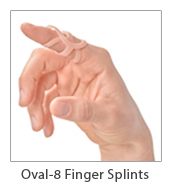
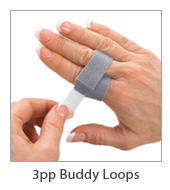
Applying ice and taking anti-inflammatory medication such as aspirin, ibuprofen, or naproxen can help with the pain and swelling. Wearing a finger splint can immobilize and protect your finger. Untreated broken fingers can become stiff and deformed if untreated. It is important that you consult with your healthcare provider as soon as possible. An x-ray may be needed to determine if your finger is broken.
FINGER SPLINTS THAT CAN HELP
|
|
|
|