
Scar formation is a normal component of soft tissue healing in which collagen is deposited to restore tissue integrity following injury or surgery. During the remodeling phase, collagen fibers reorganize in response to mechanical stress; however, excessive fibrosis or abnormal collagen alignment can result in adherent scar tissue. These adhesions may restrict normal tissue glide, impair tendon excursion, limit joint mobility, and contribute to pain, hypersensitivity, and functional deficits.
In the hand and upper extremity, where multiple tissue layers must move independently for optimal function, scar adhesions can significantly impact rehabilitation outcomes. Early identification and appropriate intervention are essential to promote tissue mobility, improve range of motion, and minimize long-term functional limitations.
Silicone Gel Sheets for Scar Management
Silicone gel sheeting remains one of the most widely recommended conservative treatments for hypertrophic and adherent scars. Although the exact mechanism is still being studied, silicone gel sheets are believed to improve scar appearance by:
-
Maintaining optimal hydration of the healing tissue
-
Providing gentle, consistent pressure over the scar
-
Creating an environment that promotes scar softening and remodeling
Silicone gel sheets are available in a variety of thicknesses and styles, with current research showing similar effectiveness among different types. Self-adherent sheets are particularly convenient because they can be worn comfortably throughout daily activities without interfering with function.
For scars located over joints or other high-motion areas, thinner or more flexible silicone sheets may improve comfort. For very active patients, adding self-adherent wraps to hold the sheeting in place is helpful or consider having the patient use the sheeting during sleeping hours only.
Clinical Evidence Supports Silicone Gel
Numerous clinical studies support the use of silicone gel sheeting in scar management. In one randomized controlled trial involving patients with hypertrophic scars, individuals treated with silicone gel demonstrated significant improvements in scar thickness, pain, itching, and tissue pliability compared to control groups.
Systematic reviews continue to identify silicone gel sheeting as one of the few conservative scar management interventions supported by sufficient clinical evidence to warrant evidence-based recommendations.
Gel Mate™ Silicone Gel Sheets
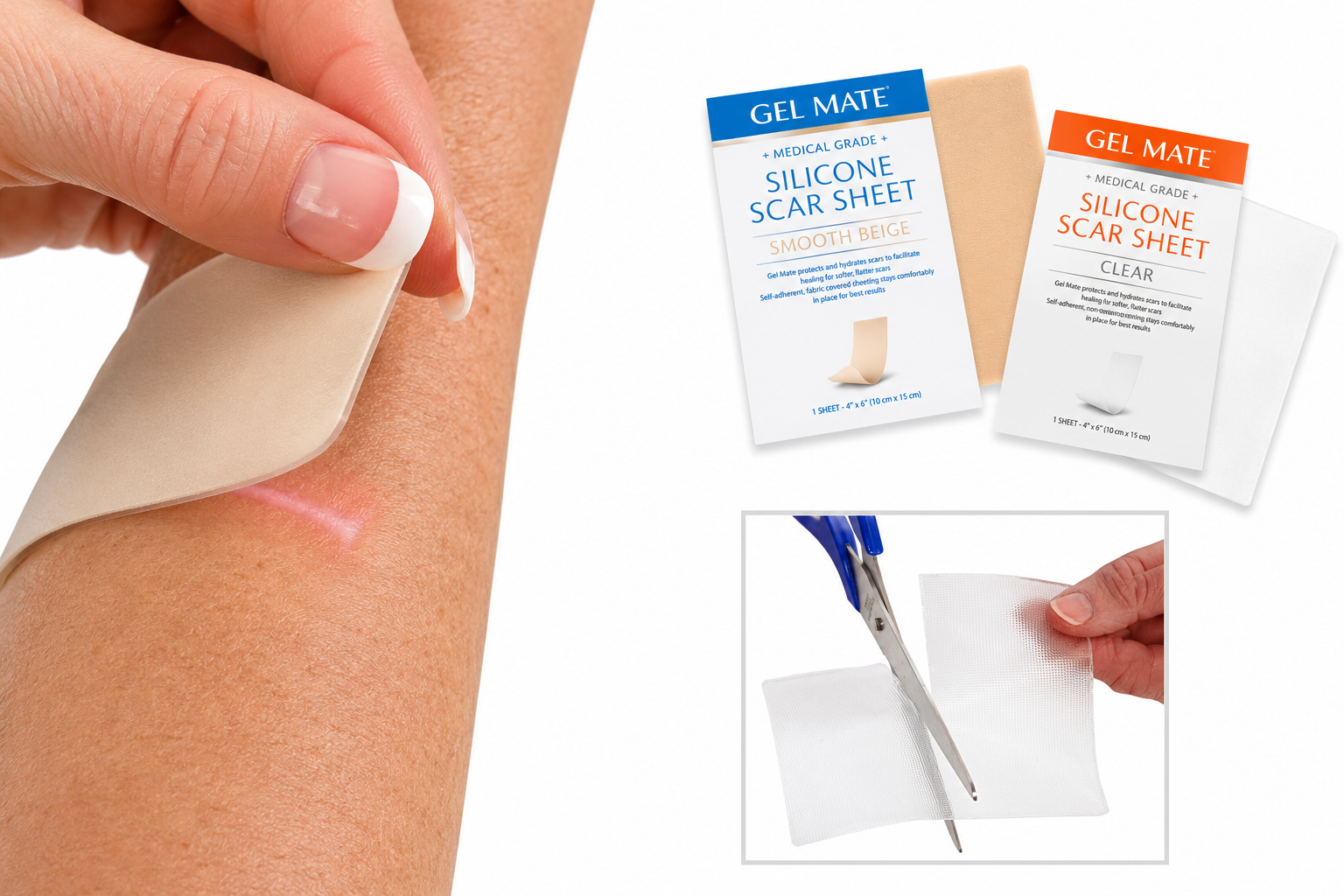
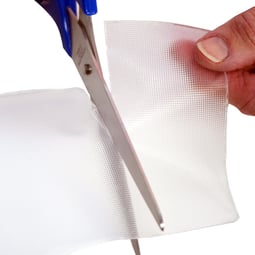
Gel Mate™ Silicone Gel Sheets are designed to help flatten and soften raised scars while supporting the prevention of hypertrophic and keloid scar formation. Made with medical-grade silicone containing high-quality mineral oil, the sheets help maintain optimal hydration of healing tissue while a 2 mm cushioned gel layer delivers gentle, consistent pressure to encourage scar remodeling and improve tissue mobility. Gel Mate™ sheets are washable, reusable, and long-lasting with proper care, making them a practical solution for long-term scar management.
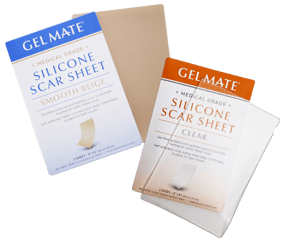
Smooth Beige Gel Mate™
-
Self-adherent medical-grade silicone
-
Soft anti-microbial fabric backing for comfortable wear under clothing
-
Ideal for everyday use
NEW Clear Gel Mate™
-
Same medical-grade silicone formulation
-
Translucent film keeps the scar visible during treatment
-
Excellent for highly visible areas of the body
Whether treating post-surgical scars or traumatic injuries, early scar management with silicone gel sheeting can help improve patient comfort and support optimal functional outcomes.